Major Discovery of Ramesses II Statue in Gharbia, Egypt
Major Discovery of Ramesses II Statue in Gharbia, Egypt
A Remarkable New Discovery in Gharbia
A remarkable archaeological discovery has brought renewed attention to the ancient history of Gharbia Governorate in northern Egypt. The discovery took place in Bahbit El Hagara, in the Samanoud area, where archaeological work revealed important remains connected to ancient Egyptian royal monuments.
The discovery began when a local farmer, Khaled Khalil, encountered a stone block while working on his land. After realizing that the object could be archaeological, he immediately contacted the local archaeological authorities, allowing specialists to examine the site and begin rescue excavations.
The Discovery of Ramesses II
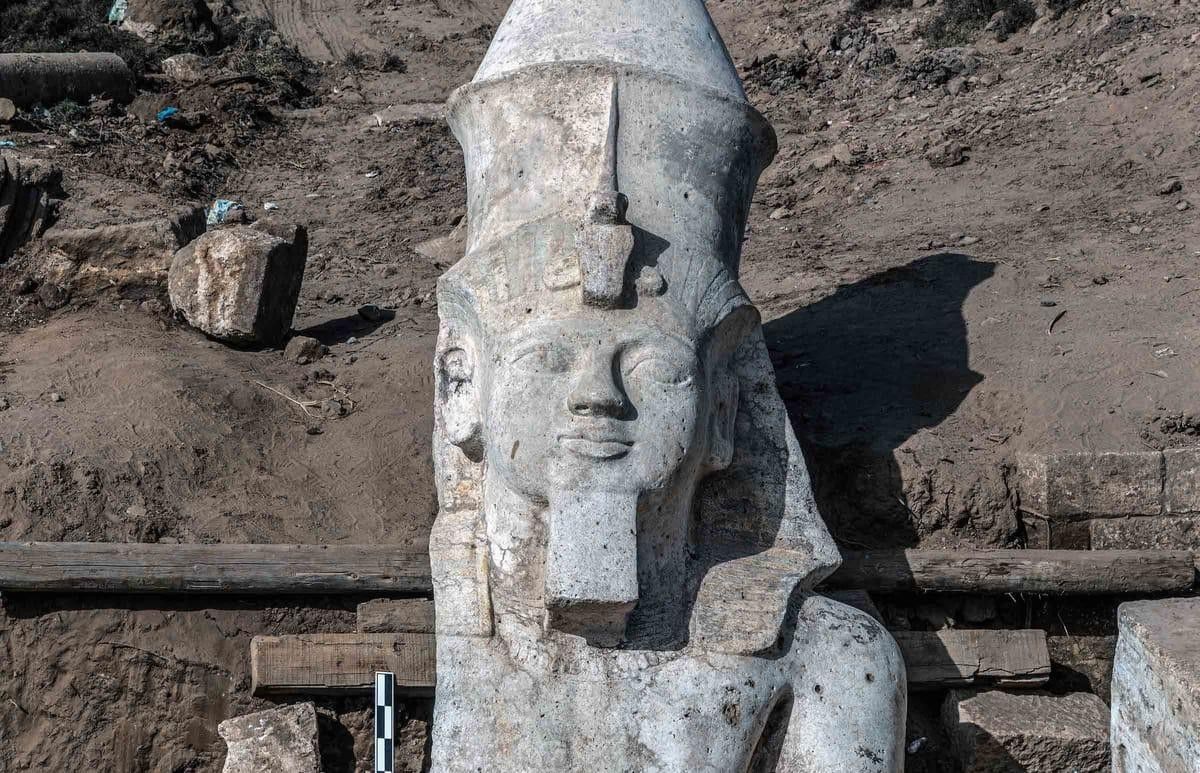
Archaeological excavations revealed the remains of two large royal statues, one of which has been identified as belonging to King Ramesses II. The discovery also included a large pink granite block decorated with hieroglyphic inscriptions containing royal titles.
The most striking element is the massive head of Ramesses II, measuring approximately 1.60 meters in height. The king is depicted wearing the double crown, a powerful symbol associated with the unification of Upper and Lower Egypt.
How the Discovery Was Made
The archaeological story began in an ordinary agricultural setting. While preparing his land for cultivation, Khaled Khalil noticed that his farming tool had struck a large stone object beneath the ground.
After examining what he had found, he realized that the object could be ancient and decided to report it to the archaeological authorities. Specialists then inspected the location and confirmed that the discovery required further archaeological investigation.
Rescue Excavations Reveal More Ancient Remains
Following the initial discovery, a specialized archaeological team began rescue excavations at the site. These investigations revealed additional remains, including parts of the royal statues and the inscribed pink granite block.
The continuing archaeological work is expected to help specialists understand how the discovered pieces were originally connected and provide more information about the history of the site and the ancient structures that once stood in the area.
A Connection to the Ramesses II Era
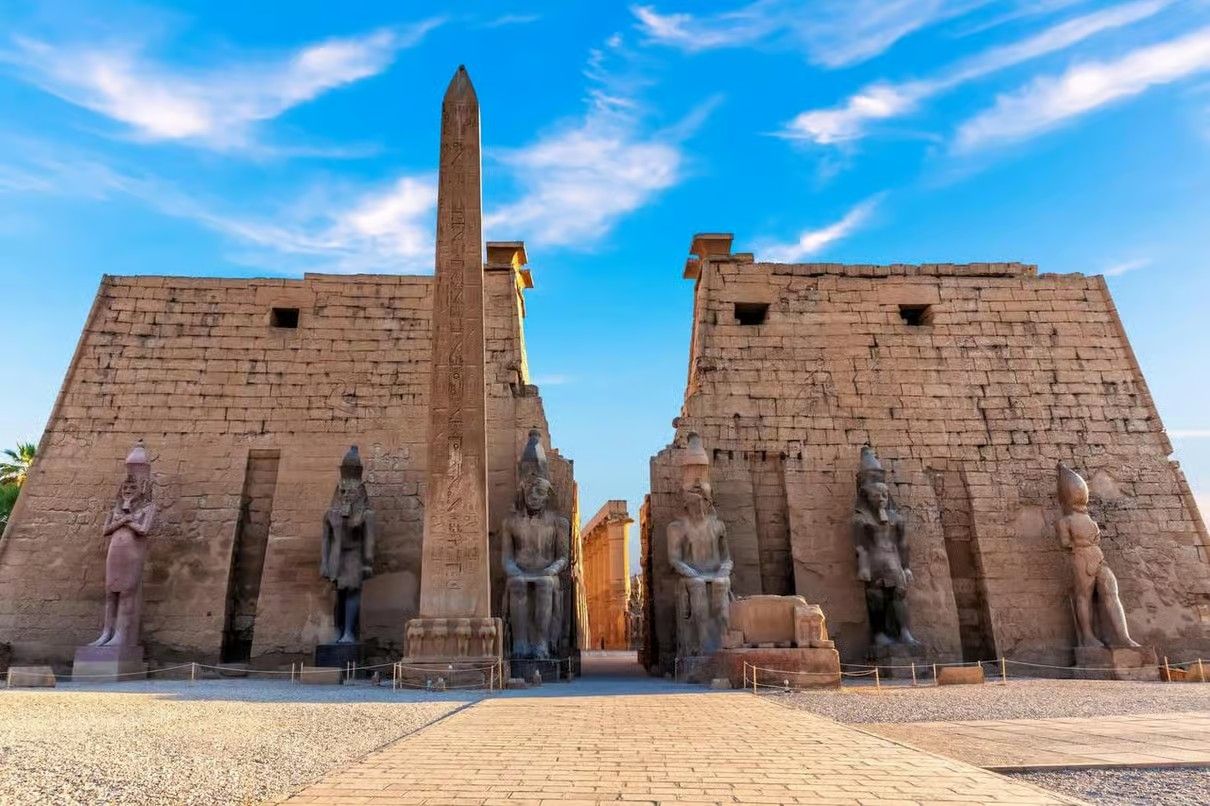
The discovered statue remains are associated with Ramesses II, one of the most famous rulers of ancient Egypt. His long reign left a remarkable legacy of temples, monuments and royal representations across different parts of the country.
The discovery in Gharbia adds another piece to the wider archaeological picture of ancient Egypt. It also demonstrates that important evidence of the country's ancient past can still be uncovered outside the most famous archaeological destinations.
When Cucumbers Bring Archaeological Treasures
The discovery also produced a memorable and humorous moment when the farmer explained that he had been growing cucumbers on the land. During a meeting at his home, the governor of Gharbia jokingly responded, “See? Cucumbers bring antiquities!”
The lighthearted comment quickly became one of the most memorable details surrounding the discovery. Behind the joke, however, was an important message: the farmer's decision to report the find played a valuable role in helping protect and document Egypt's archaeological heritage.
Protecting Egypt's Ancient Heritage
The discovery highlights the importance of cooperation between local communities and archaeological authorities. Reporting archaeological objects instead of disturbing or concealing them gives specialists the opportunity to study their original context and preserve valuable information about Egypt's history.
Officials also praised the farmer for notifying the authorities after finding the archaeological material. His decision allowed the site to be investigated properly and contributed to the protection of an important part of Egypt's cultural heritage.
A New Chapter in Egypt's Archaeological Story
The discovery at Bahbit El Hagara adds another fascinating chapter to Egypt's continuing archaeological story. The remains of Ramesses II, the royal statue fragments and the inscribed granite block provide researchers with new material to study and understand.
As archaeological work continues, specialists hope to learn more about the discovered objects and their relationship to the surrounding area. Discoveries like this remind visitors that Egypt's ancient history continues to reveal new stories thousands of years after the monuments were first created.
Final Thoughts
The discovery of Ramesses II statue remains in Gharbia is a fascinating reminder of the depth of Egypt's archaeological heritage. What began with a farmer working his land eventually led to the identification of important royal remains and a new archaeological investigation.
From the impressive head of Ramesses II to the inscribed pink granite and the unexpected cucumber joke, the story combines archaeology, local life and Egyptian heritage in a uniquely memorable way. It is another example of how the ancient history of Egypt continues to surprise the world.